
How to Prepare Your Roof for a British Winter: Your Autumn Checklist
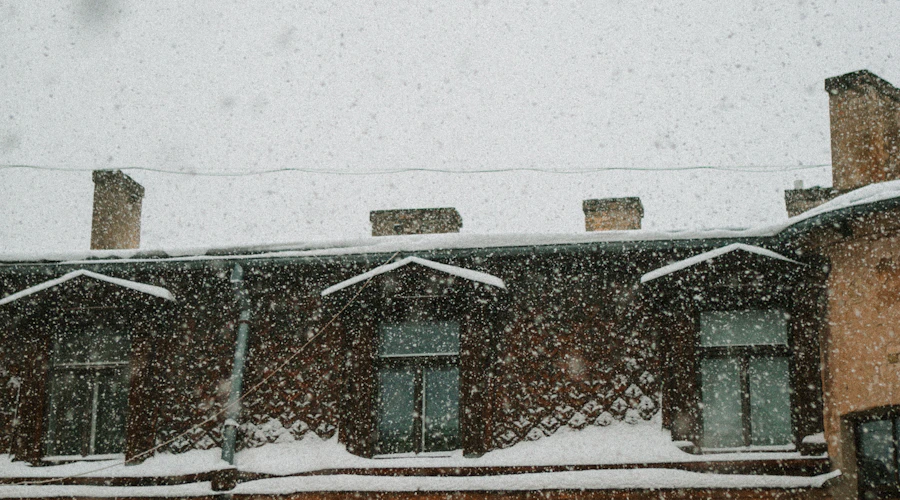
How to Prepare Your Roof for a British Winter: Your Autumn Checklist
The British weather doesn't take prisoners. Between October and March, our roofs face persistent rain, driving winds, heavy frost, and the occasional bout of snow — all while keeping us warm and dry underneath. A few hours of preparation in autumn can prevent a very expensive call to a roofer in January.
Here's your practical, step-by-step checklist for getting your roof winter-ready.
Why Autumn Is the Right Time to Act
By the time you've spotted a problem in winter, it's often too late to deal with it quickly. Roofers are at their busiest following autumn storms, scaffolding firms are stretched, and bad weather can delay external repairs for days or weeks. Getting ahead of it in September or October means any issues can be resolved while conditions are still reasonable.
1. Clear the Gutters
Blocked gutters are the single most common cause of preventable water damage in UK homes during winter. Leaves, moss, and debris accumulate through summer and autumn, and once blocked, gutters overflow — directing water down the face of the building, under the eaves, and potentially into the roof structure.
What to do:
- Clear all gutters of leaves, moss, and debris
- Check downpipes are free-flowing by running water through them
- Look for sagging sections or joints that have pulled apart — water pools in sagging gutters and can overflow inward rather than down the downpipe
- Check the fascia boards behind the gutters for signs of rot or water damage
This is a job many homeowners can handle themselves with a ladder, gloves, and a bucket. If you're not comfortable working at height, a gutter cleaning service typically costs £80 – £200 for a standard semi-detached.
2. Inspect the Roof from Ground Level
You don't need to get on the roof to spot many common issues. From the ground, using binoculars if necessary, look for:
- Missing, slipped, or cracked tiles or slates — gaps in the roof covering allow water and wind to enter
- Lifted ridge tiles — the tiles at the apex of a pitched roof can work loose, particularly after windy summers
- Moss or lichen growth across significant areas of the roof surface
- Flashing around the chimney, skylights, or dormer windows — check for obvious lifting or gaps
- Sagging in the roof line — any visible dip or wave in what should be a straight ridge or eave line needs professional investigation
If you spot anything that concerns you, book a roofer to inspect before winter arrives. Search for a roofer near you →
3. Check the Loft Space
The loft tells you a great deal about the condition of the roof above it. On a dry day, go into the loft and look for:
- Daylight visible through the roof structure (other than around intentional ventilation points)
- Damp patches, staining, or mould on the underside of the roof deck or on insulation
- Water marks on timbers indicating past or current leaks
- Condensation — excessive moisture in a loft can indicate ventilation problems that may worsen in winter
- The condition of the underlay — a perished or torn underlay allows wind-driven rain to enter even if the tiles are intact
If you find any of these, book a professional assessment. A roofer can access the roof and confirm whether there's an active issue or just evidence of a historic problem that's already been resolved.
4. Check Flashings and Seals
Lead flashing around chimneys, skylights, and the junction between a roof and a wall is one of the most common failure points in UK roofing. Over time, the mortar bedding can crack and allow water to track behind the flashing and into the roof structure.
From ground level, look for obvious signs of lifted or separated flashing. If in doubt, ask a roofer to check it as part of a pre-winter inspection.
5. Address Any Moss and Lichen
Moss retains moisture against the tile surface and can lift tiles as it grows. It also blocks the natural drainage channels between tiles, increasing the risk of water ingress. Left long enough, it can cause significant damage.
Options for dealing with moss:
- Biocide treatments — applied by a roofer, these kill the moss and prevent regrowth for several years. Expect to pay £300 – £600 for a treatment on a standard semi-detached.
- Pressure washing — can be effective but must be done carefully to avoid damaging tiles or forcing water under the roof covering. This is a job for a professional.
- Zinc or lead strips — fitted along the ridge, these slowly release ions that inhibit moss growth. A long-term preventative measure.
Note that moss removal is usually cosmetic rather than structurally critical in the short term, but significant growth is worth addressing before it becomes a larger problem.
6. Trim Overhanging Trees
Branches overhanging the roof deposit leaves directly into gutters and valleys, retain moisture on the roof surface, and can cause physical damage if they come down in high winds. Autumn — when most trees are losing their leaves — is a good time to assess whether any trimming is needed before winter storms arrive.
For significant tree work, always use a qualified arborist.
7. Book a Professional Inspection
Many roofing contractors offer a general inspection service — a roofer will access the roof, check the condition of the tile covering, flashings, ridge, valleys, and visible underlay, and give you a written report on anything that needs attention.
A professional inspection typically costs £150 – £300 including a written report. It's a worthwhile investment before winter, particularly for older properties or roofs that haven't been properly checked in several years.
Winter Emergency Preparedness
Even with the best preparation, unexpected storm damage can happen. It's worth:
- Knowing where your home insurance documents are and having your insurer's emergency number saved
- Keeping a bucket and some old towels accessible in case of a sudden leak
- Having the contact details of a trusted local roofer saved — preferably one you've already worked with
Find a trusted local roofer to inspect your roof →
Frequently Asked Questions
When should I get my roof checked before winter in the UK? Aim to have any inspection or maintenance completed by the end of October, before the worst of the autumn and winter weather arrives and roofers' diaries fill up. September or early October is ideal.
How much does a pre-winter roof inspection cost? A professional inspection including a written report typically costs between £150 and £300. Many roofers will waive or reduce this fee if you proceed with repairs they identify.
Is moss on a roof a serious problem? Moss retains moisture against the tile surface and can gradually lift tiles and block drainage. While it's not an immediate emergency, significant moss growth is worth treating. A biocide spray from a roofer is the most effective solution.
What is the most common cause of roof damage in UK winters? Blocked gutters and failed or lifted flashing are the most common causes of winter water damage. Both are preventable with autumn maintenance. Storm-related tile damage is also common and should be inspected promptly after any significant weather event.
Can I get a roofer to do emergency repairs in winter? Yes — most reputable roofers offer emergency call-outs year-round. However, demand spikes significantly after storms, so response times may be longer. Having a trusted roofer's details to hand before you need them is genuinely useful.
This guide is intended for standard UK domestic properties. Always prioritise safety — do not attempt to access your own roof.
Jenna Bathurst
Expert roofing advice for UK homeowners.