
Flat Roof vs Pitched Roof: Which Is Right for Your UK Home?
Flat Roof vs Pitched Roof: Which Is Right for Your UK Home?
If you're planning an extension, a garage conversion, or a new outbuilding, one of the first decisions you'll face is the shape of the roof. Flat roofs and pitched roofs each have genuine advantages, and the right choice depends on your property, your budget, your planning situation, and how much maintenance you're prepared to take on.
This guide lays out the key differences to help you make the right call.
What Is a Flat Roof?
Despite the name, flat roofs aren't completely flat — they have a slight pitch (typically 1–5°) to allow rainwater to drain. They're widely used on extensions, single-storey additions, garages, and some modern homes.
The most common flat roof coverings in use in the UK today are:
- EPDM rubber — a single-ply membrane, durable and low maintenance
- GRP fibreglass — a seamless, hard-wearing option popular for modern extensions
- Modified bitumen felt — a traditional three-layer system, increasingly being superseded by the above
What Is a Pitched Roof?
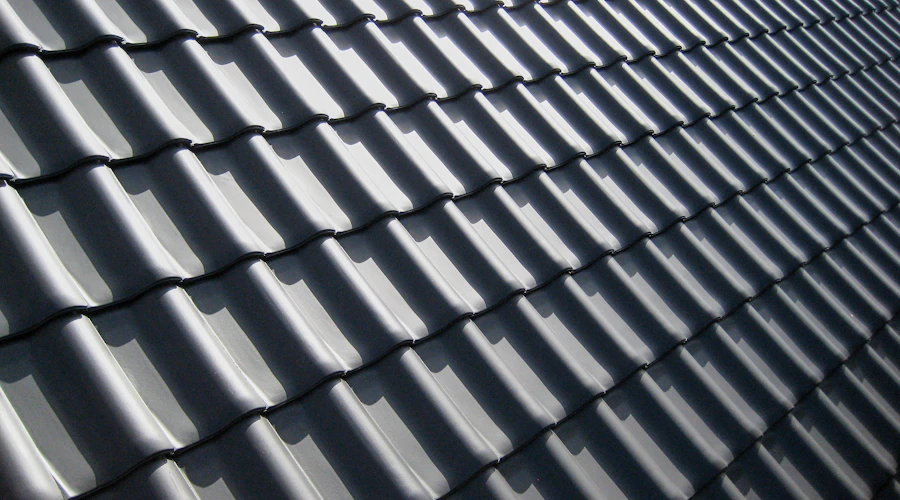
A pitched roof has two or more sloping faces meeting at a ridge. The pitch (angle of slope) can range from a gentle 15° to a steep 50°+ on older properties. Pitched roofs are standard on most UK homes and are almost universally covered in tiles or slates.
Cost Comparison
Flat roofs have a lower upfront construction cost because they require less structural material and less labour to build. However, they tend to have a shorter lifespan and may cost more over time in maintenance and eventual replacement.
| Flat Roof | Pitched Roof | |
|---|---|---|
| Initial build cost (extension, per m²) | £50 – £90/m² | £90 – £150/m² |
| Typical lifespan | 25–50 years (modern materials) | 50–100+ years |
| Maintenance frequency | Every 5–10 years | Every 10–20 years |
| Replacement cost (full) | £50 – £90/m² | £120 – £275/m² |
Note that these figures reflect the roof covering only. The structural cost depends on the size and design of the overall project.
Lifespan and Durability
This is where pitched roofs hold a clear advantage. A well-installed pitched roof covered in quality tiles or natural slate can last 50 to 150 years with proper maintenance. Flat roofs using modern EPDM or GRP membranes are considerably more durable than older felt systems — a life expectancy of 25 to 50 years is realistic — but they still lag behind pitched roofs in longevity.
The UK's climate is particularly unkind to flat roofs. Standing water, freeze-thaw cycles, and UV degradation all take their toll on flat roof membranes over time. A well-specified modern flat roof can cope with all of these, but ongoing vigilance is needed.
Maintenance Requirements
Flat roofs require more regular inspection and maintenance than pitched roofs. The main areas to monitor are:
- Ponding water — if water is pooling on the surface rather than draining, the drainage outlet may be blocked or the fall insufficient
- Membrane condition — look for blistering, cracking, or splits, particularly around edges and upstands
- Flashing and edge detailing — where the flat roof meets a wall or parapet is a common failure point
Pitched roofs are more self-managing but are not maintenance-free. Gutters, ridge tiles, and flashing around chimneys all need periodic attention.
Planning Permission Considerations
In most cases, adding or replacing a flat roof on a single-storey extension falls under permitted development in England — meaning planning permission isn't required — provided the work meets the relevant criteria (including height limits and proximity to boundaries).
However, if you're in a conservation area, an Article 4 direction area, or own a listed building, the rules are stricter. In some conservation areas, flat roofs are not permitted on street-facing extensions at all.
It's always worth checking with your local planning authority before starting work — or asking a permitted development specialist to confirm whether your project requires consent.
Which Is Right for My Extension?
Choose a flat roof if:
- Budget is the primary consideration for the roof structure
- The extension is single-storey and the design calls for a modern, clean aesthetic
- Headroom or planning height limits make a pitched roof impractical
- You want to create a roof terrace or green roof (EPDM and GRP are well-suited to this)
Choose a pitched roof if:
- You want the roof to match the existing house seamlessly
- Long-term durability and minimal maintenance are priorities
- You're in a conservation area or your permitted development rights are restricted
- The extension is large enough to justify the additional structural cost
Can You Replace a Flat Roof With a Pitched Roof?
Yes — and it's increasingly popular. Homeowners who are tired of recurring flat roof maintenance often opt to replace an old felt flat roof with a tiled pitched roof when it reaches the end of its life. This is more expensive than a flat roof replacement but may be the better long-term investment, particularly if you intend to stay in the property.
This type of conversion typically requires planning permission and structural calculations, so get professional advice before proceeding.
Find a Roofer Who Covers Both
Whether you're after a flat roof specialist or a roofer experienced with pitched roofs on extensions, our directory covers both. Search by postcode to find vetted, reviewed contractors in your area.
Frequently Asked Questions
Are flat roofs a problem in the UK? Not inherently. Modern flat roof systems using EPDM or GRP are considerably more reliable than older felt systems. The key is quality installation by an experienced contractor. A properly installed modern flat roof should give 25–50 years of service.
Is a flat roof cheaper than a pitched roof? In terms of construction cost, yes — a flat roof is typically cheaper to build because it requires less structural material and labour. However, it may cost more over the long term in maintenance and earlier replacement.
Do flat roofs need planning permission? In most cases, replacing a flat roof or adding a flat-roofed extension falls under permitted development, so planning permission isn't required. Exceptions include conservation areas, listed buildings, and properties with Article 4 directions. Always check with your local authority.
Can I walk on a flat roof? Some flat roof systems (particularly GRP fibreglass and EPDM) can be installed with pedestrian traffic in mind, allowing them to be used as roof terraces. Standard flat roofs are not designed for regular foot traffic — check with your installer about the specification before using the roof as a walkable space.
Construction costs are indicative and based on UK market data as of early 2026. Always obtain professional quotes for your specific project.
Peter Balmfort
Expert roofing advice for UK homeowners.