
How Long Does a Roof Last in the UK? (And When Should You Replace It?)
How Long Does a Roof Last in the UK? (And When Should You Replace It?)
One of the most common questions homeowners ask when buying a property — or when getting quotes for roofing work — is how long a roof should last. The honest answer is: it depends enormously on the material, the quality of the original installation, the level of maintenance, and the typical weather conditions in your part of the UK.
This guide breaks down roof lifespans by material, explains what reduces longevity, and gives you the warning signs that replacement is approaching.
Roof Lifespan by Material
Concrete Interlocking Tiles
Concrete interlocking tiles are the most common roof covering on post-war UK housing. They're durable, relatively affordable, and widely available. A well-installed concrete tile roof can be expected to last 30 to 50 years, though the concrete can become porous over time, allowing moss and algae to take hold.
Clay Plain Tiles
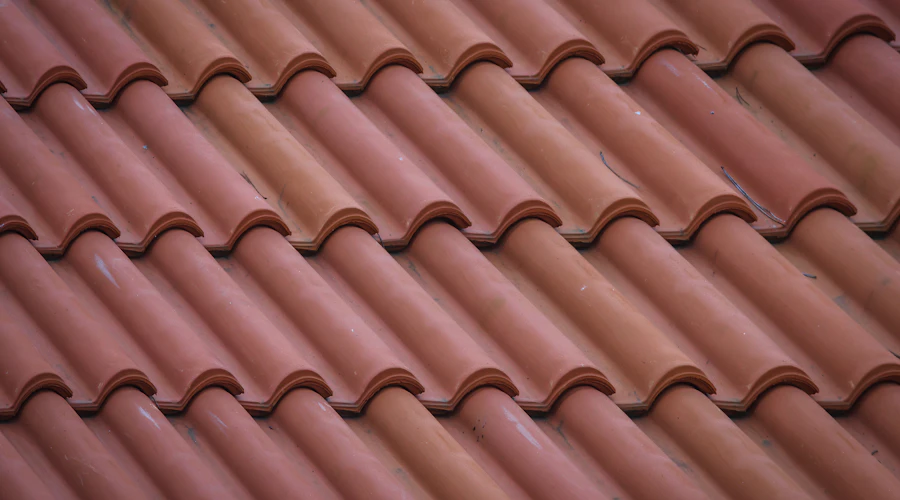
Traditional clay tiles — particularly those used on Victorian and Edwardian properties — are significantly more durable than concrete. A clay tile roof can last 60 to 100 years if properly maintained. Old handmade clay tiles are increasingly prized for their character and can often be salvaged and re-laid if the roof structure allows.
Natural Slate
Natural slate — particularly Welsh slate from the Penrhyn or Ffestiniog quarries — is among the most durable roofing materials available. A natural slate roof installed to a good standard can last 80 to 150 years. Many Victorian slate roofs are still performing well today.
The limitation is often not the slate itself but the fixings — the copper or zinc nails that hold the slates to the battens can corrode over time, causing slates to slip even when the slate itself is in perfect condition.
Artificial Slate
Artificial or fibre cement slates have improved significantly in quality over recent decades. A modern artificial slate roof typically lasts 25 to 40 years — considerably less than natural slate but at a much lower cost per m².
Flat Roofs (Felt)
Traditional three-layer felt is the most common flat roof covering on older UK extensions and garage roofs, but it's also the shortest-lived. A felt flat roof typically lasts 10 to 20 years before requiring replacement. Poor installation can shorten this considerably.
Flat Roofs (EPDM Rubber)
EPDM (ethylene propylene diene monomer) is a modern rubber membrane increasingly used for flat roofs. It's more durable than traditional felt and can last 25 to 50 years with proper installation. Many manufacturers offer 20+ year product warranties.
Flat Roofs (GRP Fibreglass)
GRP (glass-reinforced plastic) is another modern flat roof option, popular for its seamless finish and longevity. A GRP flat roof typically lasts 25 to 40 years, and correctly installed GRP is highly resistant to cracking and water ingress.
What Shortens a Roof's Lifespan?
Several factors can significantly reduce how long a roof lasts:
Poor original installation. The quality of installation is probably the single biggest determinant of longevity. An excellent material installed poorly will fail early; a more modest material installed correctly can exceed its expected lifespan.
Lack of maintenance. Moss and lichen, left unchecked, can lift and crack tiles over time. Blocked gutters can cause water to back up under the eaves. Inspections every three to five years — ideally by a roofer or surveyor — catch small problems before they become large ones.
The UK's climate. The freeze-thaw cycle — water seeping into tiny cracks, freezing, expanding, and widening those cracks — gradually degrades many roofing materials. The North and West of England, Scotland, and Wales tend to experience more of this than the South East.
Chimney stacks and penetrations. The flashing around chimneys, skylights, and roof lights is often the first thing to fail, regardless of the age of the tile covering. Regular checks of lead flashing are a worthwhile investment.
Tree overhang. Branches overhanging a roof deposit debris in valleys and gutters, retain moisture, and can cause physical damage in high winds. Keeping trees trimmed back from the roof line extends its lifespan.
Warning Signs Your Roof May Need Replacing
You don't usually need to climb onto the roof to spot these indicators — many are visible from ground level or from inside the loft:
- Missing, cracked, or curling tiles or slates visible from the ground
- Granule loss from concrete tiles (they'll look worn or faded compared to newer tiles)
- Moss or lichen growth across large areas of the roof surface
- Light visible through the roof structure when standing in the loft
- Damp patches or staining on the underside of the roof deck or on loft timbers
- Sagging in any part of the roof deck — this indicates structural problems
- Repeated leaks that seem to move around rather than coming from one fixed point
- Roof age — if you know the roof is approaching or past the end of its expected lifespan for the material, a professional inspection is warranted
What to Do If You're Unsure
If you're not sure whether your roof has a few years left in it or is approaching the end of its serviceable life, the best approach is to have a professional inspection carried out. A roofer will access the roof, check the tile covering, inspect the underlay and battens, and give you an honest assessment of its current condition.
For a property purchase, a specialist roofing survey (separate from the standard homebuyer's survey) is worth considering if the roof is ageing or if any concerns were flagged in the surveyor's report.
Find a local roofer for a roof inspection →
Frequently Asked Questions
How long does a typical UK house roof last? It depends on the material. Concrete tiles typically last 30–50 years; clay tiles 60–100 years; natural slate 80–150 years; flat roofs using modern membranes 25–50 years. The quality of installation and maintenance level have a significant impact.
How do I know if my roof needs replacing? Warning signs include missing or crumbling tiles, persistent leaks in different areas, daylight visible from the loft, sagging in the roof deck, and a roof age approaching the expected lifespan for its material.
Does a new roof increase home value? Yes — a roof in poor condition can significantly reduce a property's value and deter buyers. A new roof removes this concern and is one of the home improvements most likely to recoup its cost at point of sale.
How often should a UK roof be inspected? Most roofing professionals recommend an inspection every three to five years, and after any period of severe weather. Annual gutter checks are also advisable to prevent blockages causing roof damage.
Lifespan figures are based on industry standards as of early 2026 and represent typical ranges under UK conditions. Actual lifespan will vary based on installation quality, maintenance, and local climate.
Jenna Bathurst
Expert roofing advice for UK homeowners.